



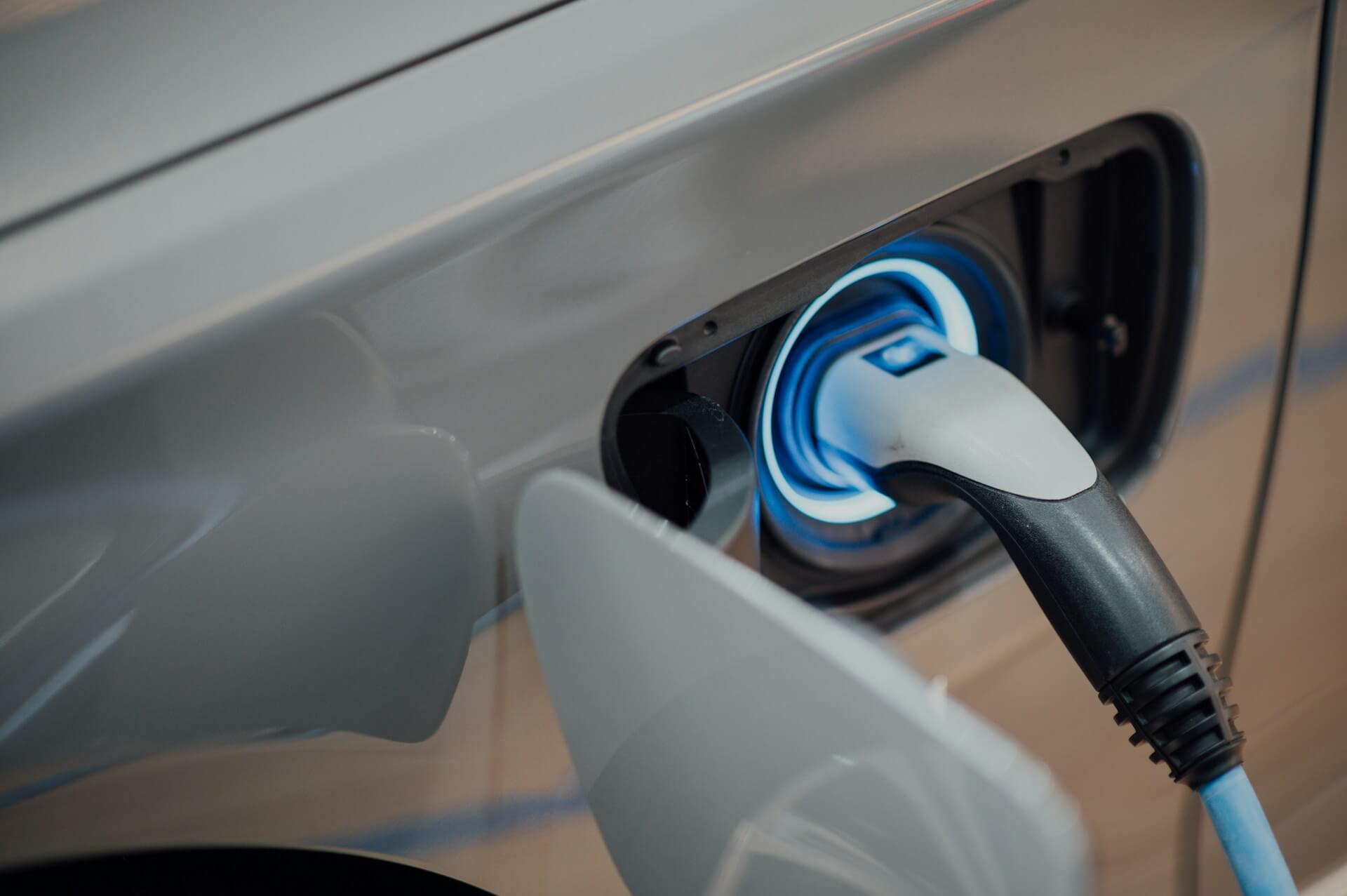
Hybrid cars: why you should consider this eco-friendly choice?
- Category: Economy
As environmental concerns grow, hybrid cars present themselves as an attractive alternative to traditional petrol or diesel vehicles. By combining an electric motor with a combustion engine, hybrids offer reduced fuel consumption and lower CO2 emissions, thus contributing to the fight against climate change.
Why choose a hybrid car?
One of the main advantages of hybrid cars is their low environmental impact. Indeed, thanks to the use of an electric motor, hybrids consume less fuel and emit fewer greenhouse gases than conventional vehicles.
The reduced fuel consumption of hybrid cars translates into savings at the pump. The cost per kilometre of a hybrid car is generally lower than that of a petrol or diesel car.
Benefit from tax advantages
In France, hybrid cars benefit from tax advantages, such as an ecological bonus and exemption from the registration certificate tax (TCI).
These benefits can represent significant savings when purchasing the vehicle.
In some French cities, hybrid cars can access low emission zones (ZFE) that are off-limits to polluting vehicles.
Conclusion
Hybrid cars offer many advantages for environmentally conscious drivers who want to reduce their fuel expenses. They are an interesting alternative to traditional petrol or diesel vehicles, and their growing popularity is a sign of the automotive market's evolution towards more sustainable solutions.